
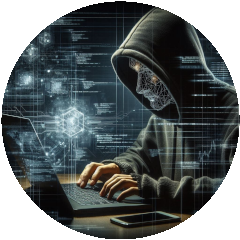

The Film That Told Us the Good Guys Wore Leather Jackets and Typed Really Fast
Thirty years. Let that sink in for a moment.
It’s been three whole decades since Hackers burst onto our screens in a neon‑soaked blaze of rollerblades, attitude, and the kind of computer graphics that looked like someone fed a migraine into a PlayStation One. And yet — somehow — it still feels fresh, iconic, and weirdly prophetic.
Because Hackers wasn’t just a film. It was a vibe. A manifesto. A love letter to the misfits who saw the world differently.
And, most importantly, it was one of the first mainstream films to say something radical for its time:
The hackers are the good guys.
Not the villains. Not the shadowy figures in basements. Not the boogeymen of the nightly news.
But the heroes.
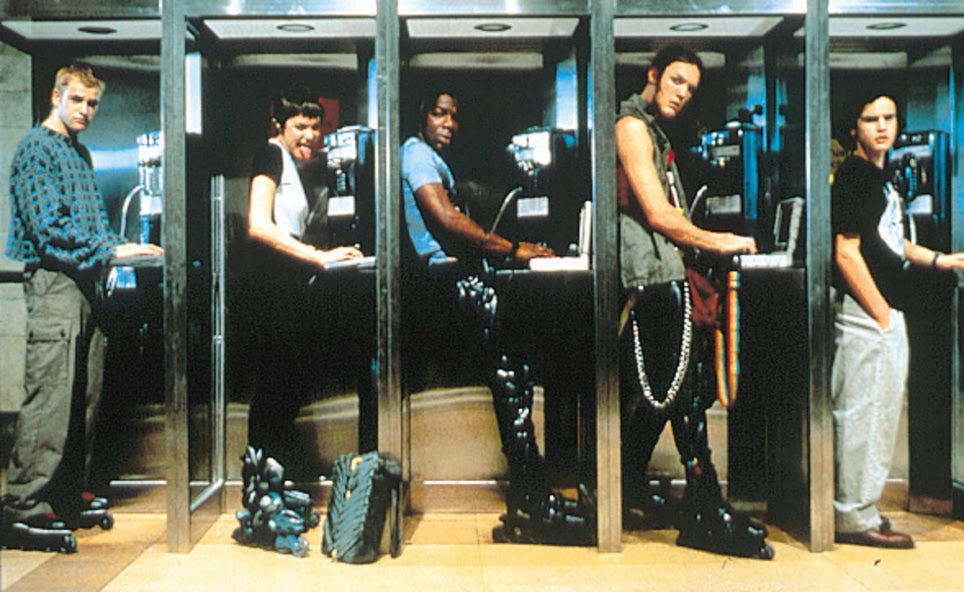
Back in 1995, the word “hacker” conjured images of trench‑coated cyber‑criminals breaking into NORAD to start World War III. The media loved a good panic, and computers were still mysterious enough that people believed anything. Then along came Hackers: a film that said:
“Actually, hackers are curious, creative, rebellious, and often the only ones standing between the world and the real villains.”
And it was right. The film understood something the world would only realise years later: hackers aren’t dangerous. ignorance is!
What made the Hackers crew heroic wasn’t their ability to type at 200 words per minute while wearing sunglasses indoors. It was their mindset. They questioned everything. They refused to accept the official story. They dug deeper. They saw patterns others missed. They believed information should be free, or at least not weaponised by corporate greed.
In other words, they were the digital descendants of every curious soul who ever took something apart just to see how it worked. And let’s be honest, who among us hasn’t felt that itch?
A Film That Accidentally Predicted the Future
Let’s give credit where it’s due. Hackers predicted:
- hacktivism
- digital whistleblowing
- corporate cyber‑crime
- online communities
- the idea that young people with laptops could change the world
It even predicted the fashion comeback of oversized coats and combat boots, though I’m not sure that was intentional. Sure, the film thought the inside of a computer looked like a rave held inside a skyscraper made of circuit boards, but hell, that only adds to its charm.
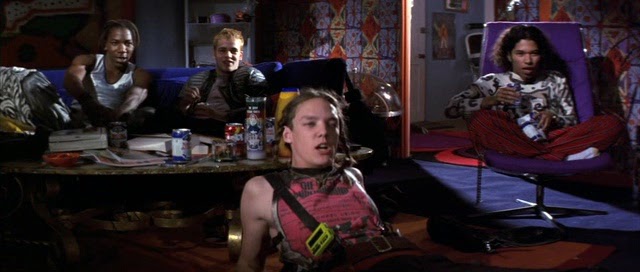
You may ask “Why does it matter 30 Years later?”. Why? Because the message hasn’t aged a day.
We still need people who question. We still need people who explore. We still need people who refuse to accept “that’s just how it is.” We still need digital rebels with a conscience. And that’s what Hackers celebrated: the idea that knowledge is power, and curiosity is a virtue, not a crime. It told a generation of young tech‑minded misfits that they weren’t alone. That their skills mattered. That they could be the heroes of their own story. And for many, that was life‑changing.
So Here’s to 30 Years of Hackers
To the rollerblades. To the neon. To the soundtrack that still slaps. To the keyboards that clicked like machine guns. To the film that made hacking look like a cross between a nightclub and a spiritual awakening. But most of all:
Here’s to the idea that the ones who understand the system best are often the ones who protect it.
Hack the Planet, my friends. Thirty years on, the message still holds.